

Volkswagen Coolant: What Type Of Coolant Do The Models Use?
Understanding Coolant for Volkswagen Vehicles
While most drivers know that Volkswagen coolant is necessary to keep their cars running smoothly, they may need help understanding exactly how coolant functions within an engine and why purchasing the right coolant is critical.
The primary purpose of engine coolant is to help regulate the temperature in the engine and associated components. Coolant is critical for advanced engines such as those found in Volkswagen models.
We spend time and money protecting the outside and inside of our vehicles. We use car covers, exterior paint sealants, and interior floor and cargo mats — so why wouldn't we also protect our vehicle's engine? Choosing the right coolant to keep your car going is important because it helps protect your engine and its cooling system from corrosion or component damage. Incorrect coolant can lead to long-term damage to your vehicle.
Too frequently, customers choose coolants based on price rather than quality. While cheaper coolants claim to fit any vehicle, manufacturers suggest specific coolants for particular cars because they provide the best results. Signs of incorrect coolant use on a car include damage to your radiator or causing your water pump to leak due to not protecting the mechanical seals properly. Mixing the wrong coolant with another may also thicken it, making it even harder to run through the engine and possibly overheat.
Volkswagen G12 Coolant
To keep your Volkswagen vehicle on a healthy preventative maintenance routine, we suggest checking your owner's manual or the stamp on your car's expansion tank for the type of coolant your car requires. Volkswagen G12 coolant is an antifreeze designed to work with multiple engines from various automakers, and it contains no nitrates, amines, phosphates, borates, silicates, or other mineral additives.
On top of its role of cooling the engine, G12 eliminates abrasive solids, which can increase the lifetime of your engine, allow for less frequent maintenance, protect water pump joints, and protect against frost. G12 coolant is available in a few forms: standard G12, G12+, G12++, and G12 EVO.
Volkswagen G13 Coolant
Approved VW coolant comes in concentrated form and must be diluted with distilled water before pouring it into your engine. Coolant levels should also be checked regularly to help ensure your engine's health. Volkswagen G13 coolant is the newest glycerin-based, eco-friendly coolant produced by the Volkswagen brand. G13 is a particular type of antifreeze that should not be mixed with any generic versions and is typically a purple or violet color.
G13 can be safely used on many VW models from 2008 to the time of this writing. If you need proper Volkswagen Atlas coolant for your vehicle, knowing which variant to buy leads to optimum results. If you have a Jetta or Tiguan model, be sure to purchase the right Volkswagen Jetta coolant or Volkswagen Tiguan coolant, such as G13, to keep your car protected. It can be combined with all G12+ and G12++ coolants; however, this may lead to a slight deterioration of corrosion protection.
Volkswagen Coolant Warning Light
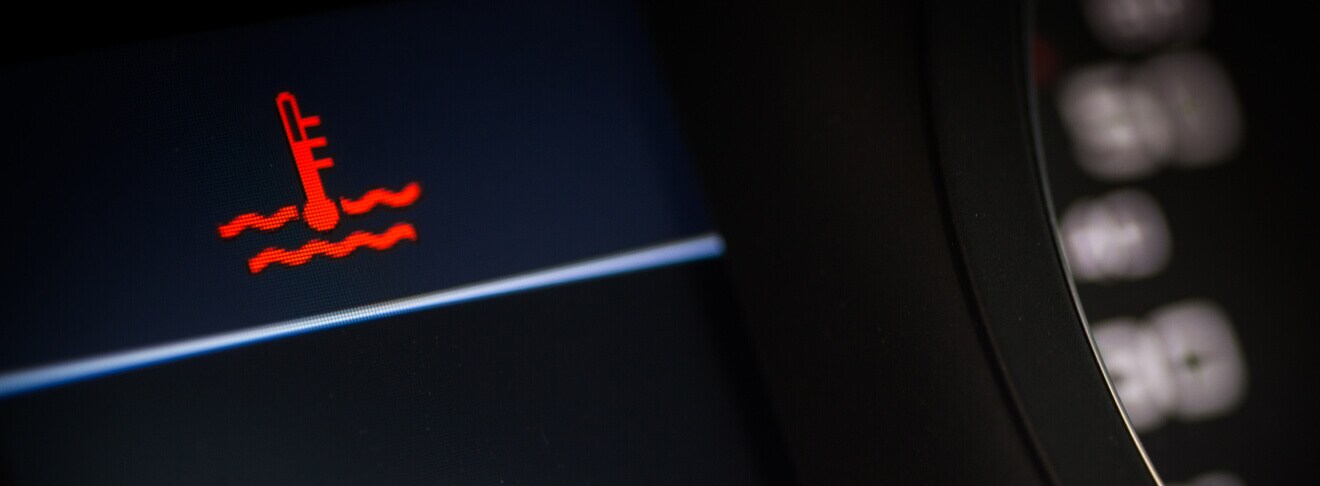
The easiest way to know if your coolant is low or needs to be changed is to monitor the Volkswagen coolant warning light. The light will flash red to indicate that engine coolant temperatures are too high or that the coolant should be refilled. Stop your vehicle as soon as possible, turn off the engine, allow it to cool until the warning lamp turns off, and then check your coolant expansion tank to determine the problem.
Frequently Asked Questions
What kind of coolant does the Volkswagen brand use?
While many people are familiar with the VW line of glycol-based G12 coolants, the company introduced its newest G13 option in 2013. The Volkswagen G13 coolant replaces its glycol base with glycerin, which is a much more environmentally friendly ingredient that gives the same excellent cooling and protection. Consult your Volkswagen dealer if you have questions about your car's coolant requirements.
What is G12 and G13 coolant?
VW coolants are specifically suited to their vehicles, including the G12 and the G13. The G12 Volkswagen coolant can be used on multiple model years of the VW Atlas, Tiguan, and Jetta, among others. The G13 Volkswagen coolant is a newer variation of the G12 that uses glycerin to protect and cool VW engines. It is estimated that G13 produces 11% lower CO2 emissions than other glycol options.
How often should VW coolant be changed?
Volkswagen automaker recommends changing your coolant every 30,000 to 50,000 miles or at the onset of any performance issues or a Volkswagen coolant warning light. Our parts and service department at Tom Wood Volkswagen is available for all of your Volkswagen service needs, including coolant replacement, oil change, tire repairs, and more. We also offer top-of-the-line VW parts and accessories.
Make an Inquiry
* Indicates a required field
 AdChoices